A quiet meadow at low light.

Denmark · Est. 2009

Hammer & Son

Spirits should be made the way they once were — slowly, in small stills, from the place itself.

Danish gin, vodka and whiskey, distilled at our own mill — by the bottle, and in bulk for hotels, restaurants, bars and events.

Story

01

The founding belief

A lived method, not a line on a label.


Hammer & Son was built by Henrik Hammer — a gin obsessive and international spirits judge — with his father, Hans. They did not set out to invent a trend. They set out to recover a way of making spirit that had become inconvenient: historical recipes, small copper, patience, and bottles that look like they have already lived a life.

The first gin was Geranium, launched in 2009. The name on the label — Hammer & Son — was never decoration. It named a collaboration. Hans died before the first bottle existed. The work continued in the same register: uncompromising, tradition-first, and quietly sure of its own pace.
02

Place of production

One mill. All the work.

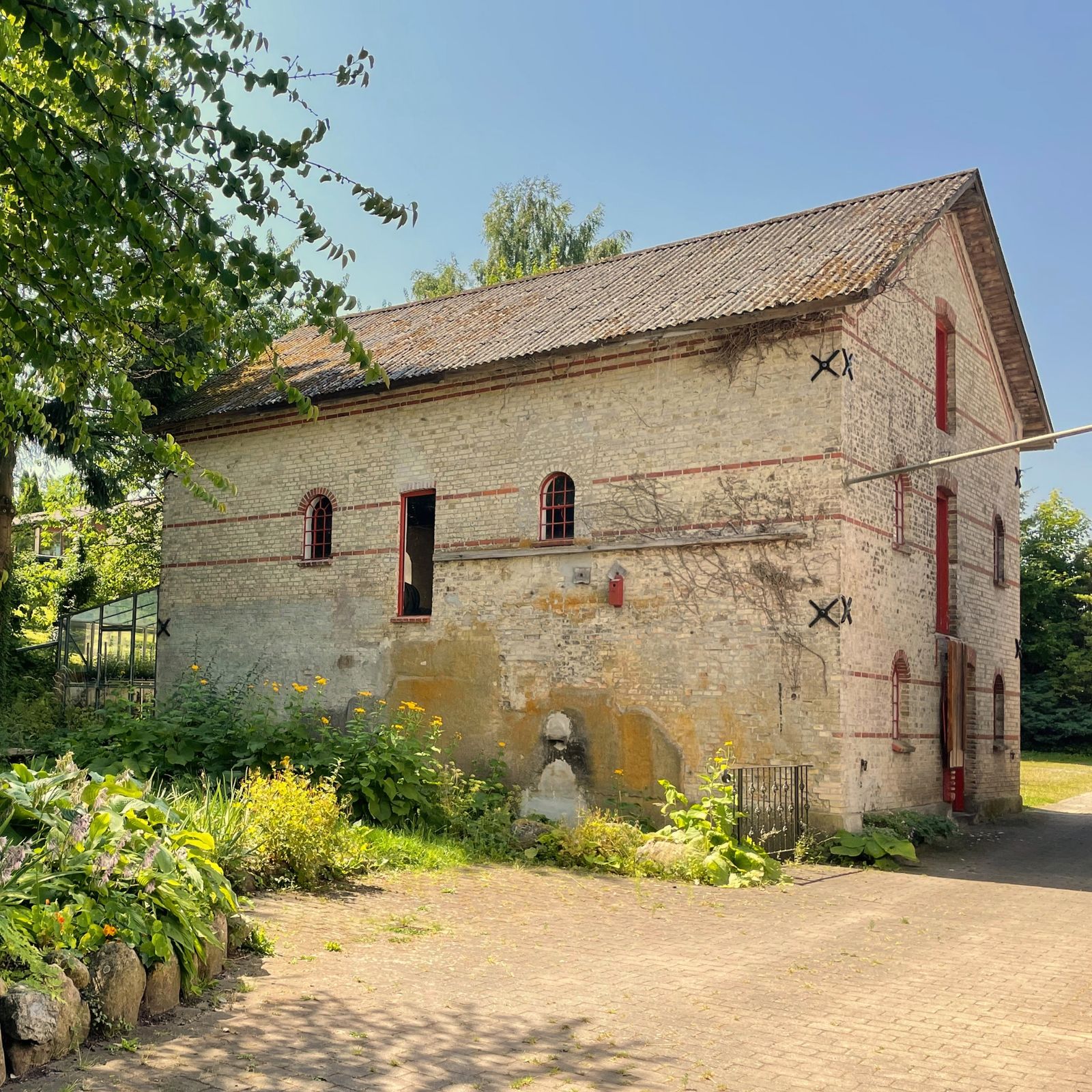
Everything the house distils is made at Vintre Møller in Lejre — an organic estate that has worked water and grain since 1374. The town-hall cellar on Frederiksberg is closed. The gin that was born there is not: Frederiksberg London Dry is distilled at the mill, from the same borough botanicals.

03

From botanical to bottle

The work is unhurried on purpose.

Geranium leaves being cut by hand in the garden. A small copper pot still set up outdoors at Vintre Møller. Nini and Mia, the copper pot stills inside the mill at Vintre Møller. Spring water running beside the mill wall at Vintre Møller. Geranium Gin poured from the bottle into a glass.
  1. Lavender and acorns for Frederiksberg Gin, from the borough’s gardens. Geranium harvested in July. Barley and botanicals grown on the organic grounds at Vintre Møller. The spirit begins as a place, not a formula.

  2. On the small copper, botanicals are often distilled one by one — cardamom apart from the rest, acorn roasted, geranium macerated — then blended. Control is a form of respect.

  3. Two copper pot stills, carrying the names of the women who came before us. Nothing here is built for speed. Vapour rises, copper works, and the cut is taken by taste.

  4. High-proof spirit is brought down with water from Vintre Møller’s own artesian well — about 50,000 litres of the same spring every day, shared with neighbouring houses.

  5. Every step has asked for patience, and the last one is no different. What leaves Vintre Møller is packed with as little as it needs and as much care as it deserves, so nothing is lost between the still and the glass.

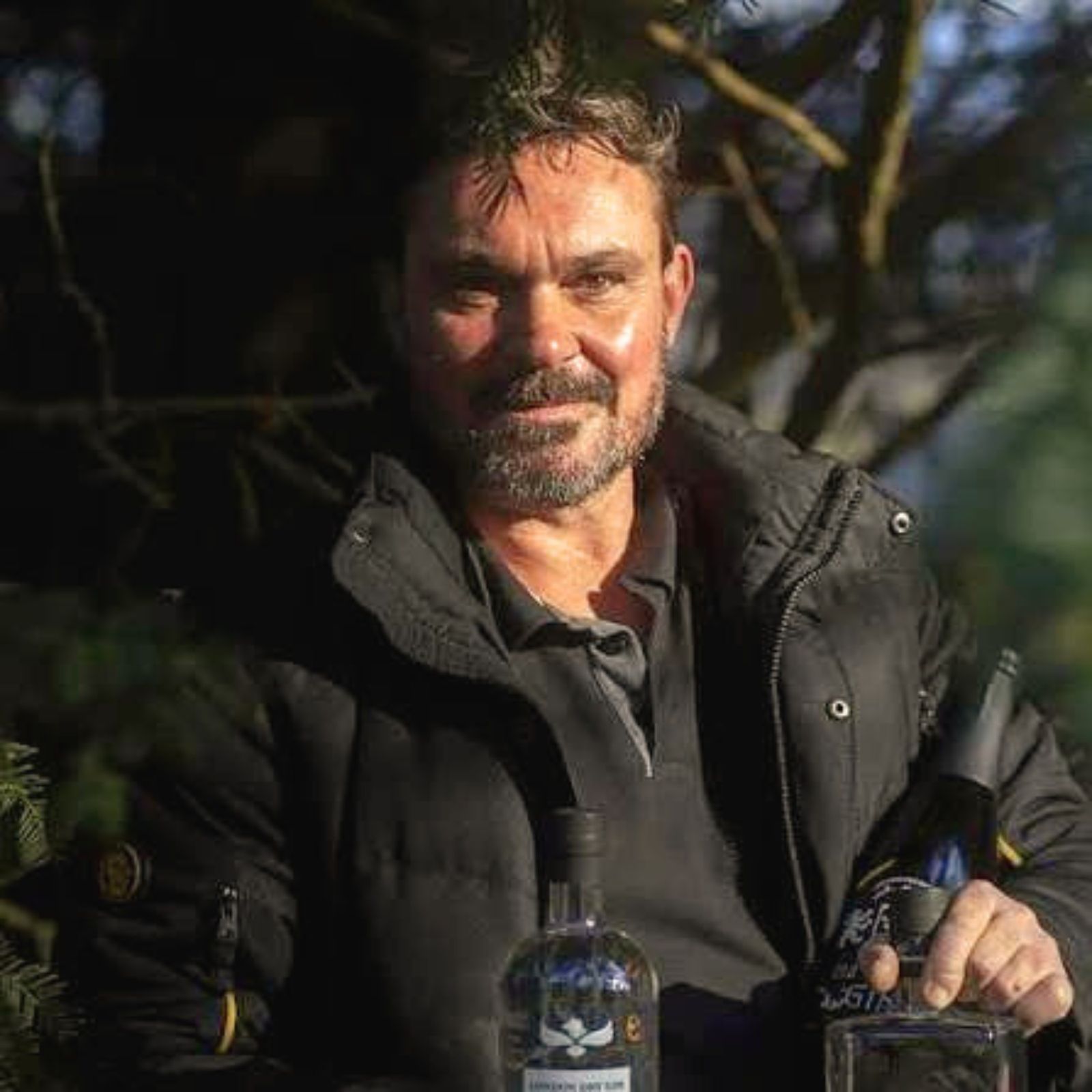
Henrik Hammer, the founder of Hammer & Son.
Photography of Henrik Hammer, the founder of Hammer & Son.

04

The distiller

A judge who decided to make the gin he could not find.


Henrik Hammer sat as a judge at the IWSC from 2004. The flavour spectrum of gin, then, felt narrow. Crushing a geranium leaf, he recognised something that already belonged beside juniper — historically, chemically, and in the glass.

What followed is a line of spirits that keep arguing the same point: provenance is a production principle, not a paragraph on the back label.

Read the timeline

05

The spirits

An editorial cellar.

Gin, vodka, whiskey — each with a backstory, tasting notes, and the competitions that noticed them.

Explore the lineup

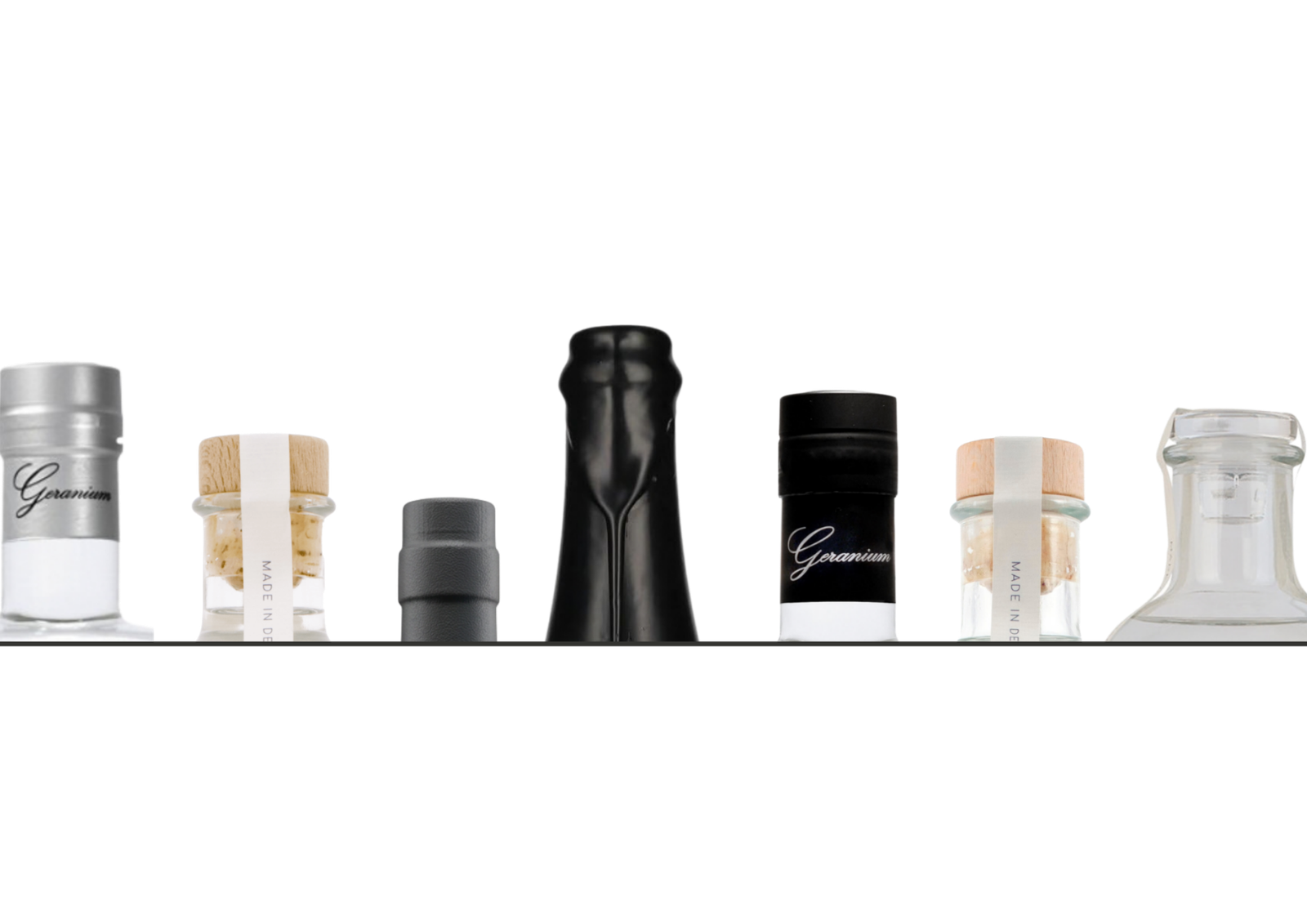
A row of bottle closures: Geranium caps, corks marked Made in Denmark, and a wax seal.
The lineup, from cork to wax.
In Concordia Cum Natura — in concord with nature. Not a slogan applied afterwards. The way the mill has always worked.

Vintre Møller is certified organic. Energy has been matched with Danish wind, with solar planned on the estate. Spent grain returns to a neighbouring farm. The 2020 sustainability report set a climate-positive ambition for the mill.

Philosophy & sustainability